




Refugee Women & the Barriers to Accessing Canada’s Healthcare Services
Celebrating Welcome Place's 80th Anniversary
Article 12 of The Convention on the Elimination of All Forms of Discrimination Against Women (CEDAW) infers that
States Parties shall take all appropriate measures to eliminate discrimination against women in the field of health care in order to ensure, on a basis of equality of men and women, access to health care services, including those related to family planning. Notwithstanding the provisions of paragraph I of this article, States Parties shall ensure to women appropriate services in connection with pregnancy, confinement and the post-natal period, granting free services where necessary, as well as adequate nutrition during pregnancy and lactation. (Assembly 1979).
However, several studies have shown that refugee/asylum-seeking women of varying backgrounds have trouble navigating Canada’s healthcare system. Recurring themes of language barriers, rushed/misdiagnosed consultations, cultural disconnects, and a lack of education concerning sexual/reproductive health, as well as mental health remain common experiences for refugee women who come to Canada. Refugees of African and Syrian origin specifically highlight the difficulties they face when acquiring healthcare services.
Celebrating 80 Years of Welcome and Community
As we mark 80 years of Welcome Place (MIIC), we celebrate the incredible journey that has shaped who we are today. Since 1945, we’ve been honoured to welcome and support refugees and newcomers seeking safety, belonging, and hope in Manitoba.
Over the decades, together we’ve:
- Helped thousands of newcomers build new lives through settlement, sponsorship, and life-skills programs.
- Expanded our reach across Manitoba, fostering inclusion in both urban and rural communities.
- Built partnerships, volunteer networks, and initiatives rooted in compassion, respect, and equity.
This milestone belongs to our community—to every staff member, volunteer, sponsor, partner, and newcomer who has been part of our story. Your kindness, resilience, and commitment have made Welcome Place what it is today.
As we look to the future, our promise remains: to continue creating a province where everyone feels safe, supported, and at home.
Thank you for 80 years of welcome—and for shaping a stronger, more compassionate Manitoba.
Elevated Health Risk Factors of Refugees and Asylum-Seeking Women
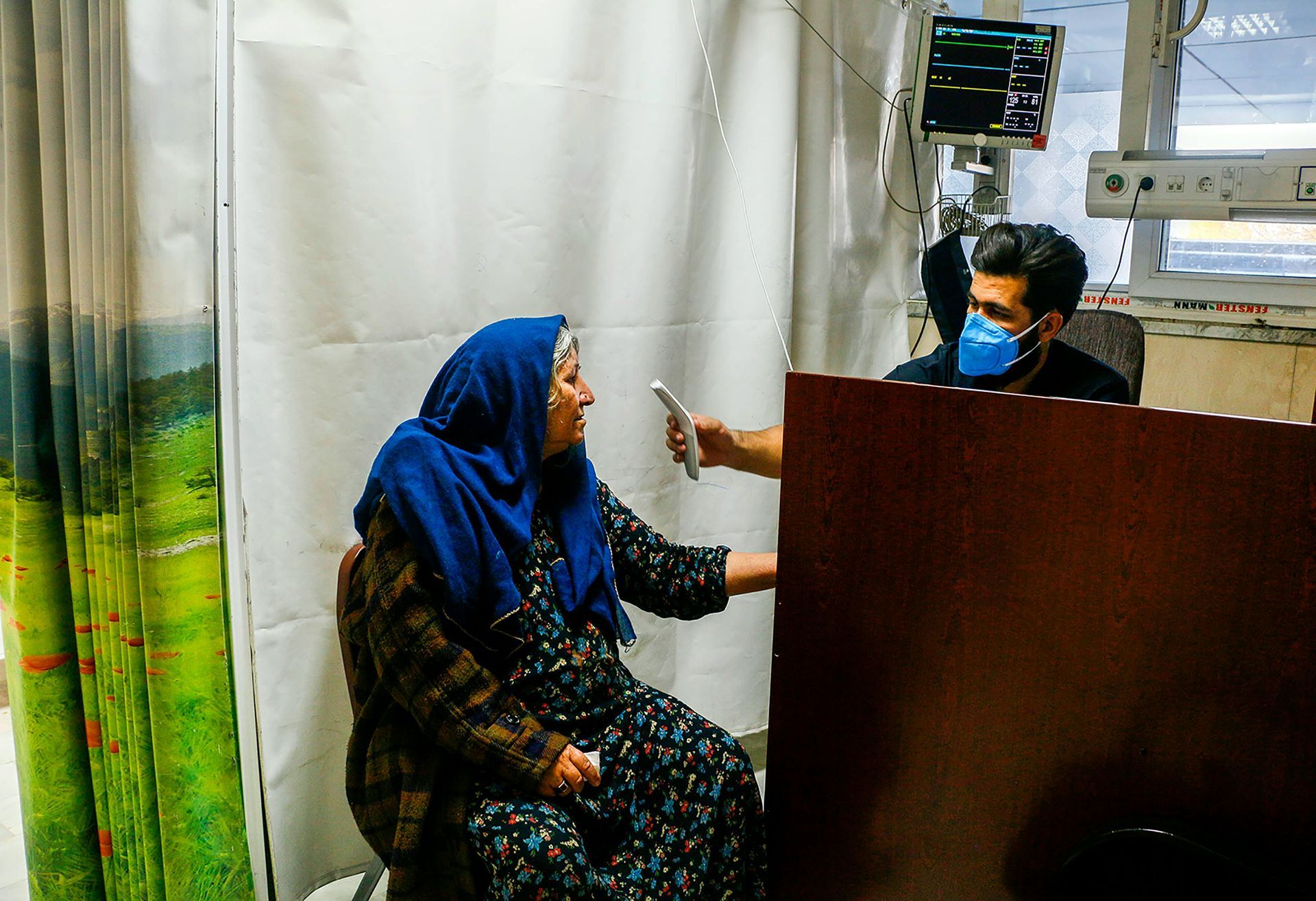
Refugee women are subjected to a variety of elevated health risks due to their status as a refugee. According to a study conducted by Heer et al., these include
- Domestic Abuse at the hands of their partners
- Separation from community and lack of support from others around them
- Stress (from financial duties, work, childcare, or other factors causing burnout)
- pre-migrational experiences (trauma which contributes to deteriorating mental health)
- Prior history of mental illness
- Low income
- Discrimination (racism & xenophobia)
- Low health literacy (lacking resources to education about healthcare rights/practices)
- Cross-cultural limitations
- Language barriers.
These health risks are especially prominent when it comes to maternity care/services. In Canada, refugee women are almost five times more likely to develop Postpartum Depression (PPD) in comparison to Canadian-born women. Approximately 1 in 4 mothers fleeing a country may suffer from mild to severe PPD as a result of the elevated risk factors previously listed (Heer et al, 2024). Refugee women are also less likely to partake in preventative health behaviors, such as cervical screening, compared to women born in Canada.
The women in previous studies also spoke of difficulties in accessing appropriate information surrounding contraception or contraception methods. This becomes an issue because a lack of access to appropriate sexual health services and resources place women at increased risk of cervical cancer or unintended pregnancy (Alloteyet et al. 2004; Rademakers, Mouthaan, and de Neef 2005). This in turn has effects on women’s physical and mental wellbeing. Past research has also highlighted that migrant and refugee women may have limited knowledge of sexually transmitted infections (STI’s) (Metusela et al. 2017), which may partially explain higher rates and late/delayed diagnosis of HIV amongst these communities.
A Lack of Comfort, Care, & Trust
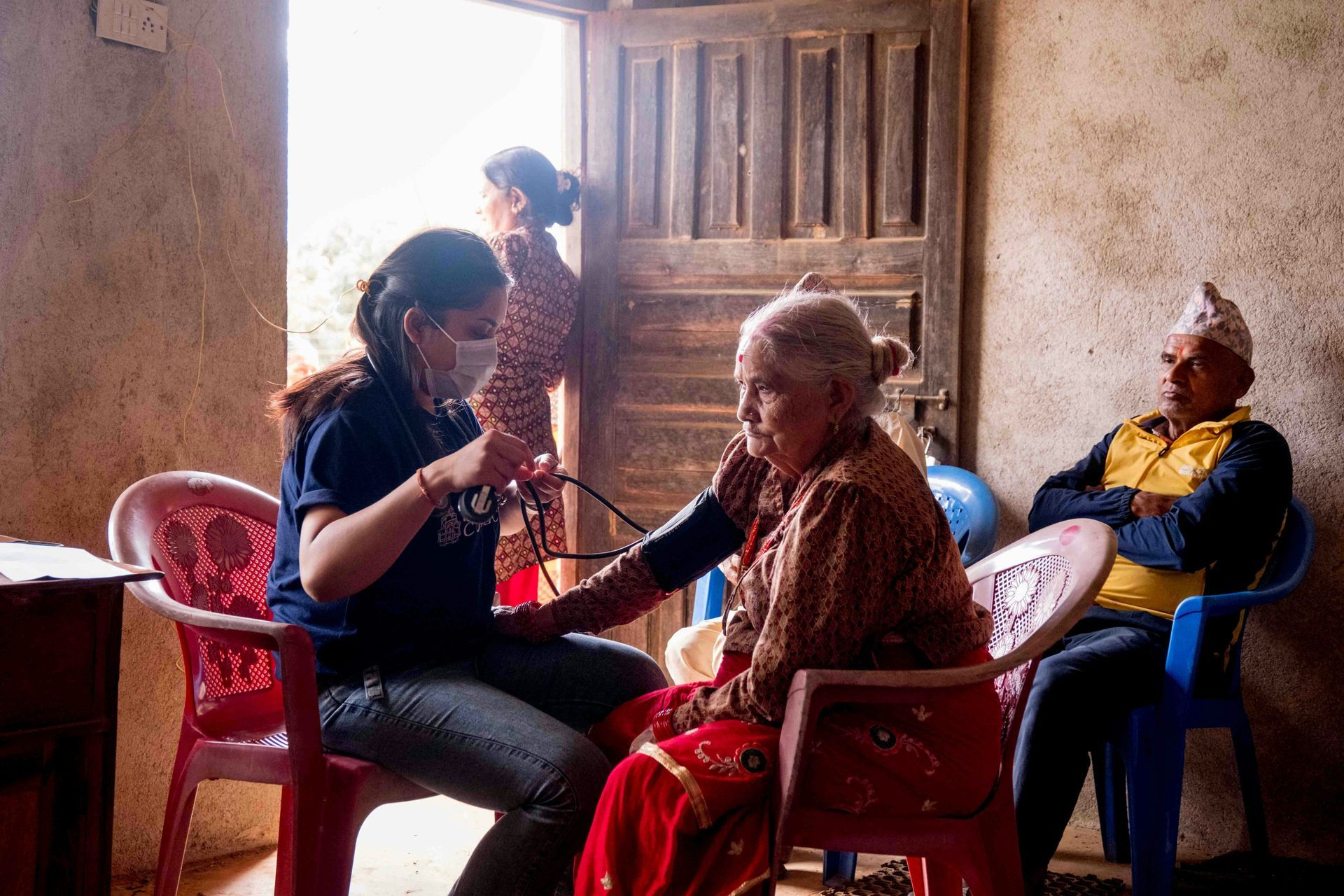
Feeling safe, comfortable, and heard by your physicians determines if people will willingly seek out healthcare. For many refugee women, they have vocalized that comfort and trust have been issues for them. A study conducted by Hawkey et al. in both Canada and Australia discussed some of the stigmas these women were met with. The women discussed feeling rushed in consultations, stating that they weren’t in the office with their doctor for more than ten minutes, which gives the impression of poor bedside manners. Practitioners were described as very cold and impersonal by participants.
Syrian refugees, in particular, reported a lack of communication/follow-ups concerning prenatal care and miscarriages. Other participants in the study described feeling unheard when trying to address sexual and reproductive health (SRH) concerns, leaving consultations without a satisfactory outcome/solution, misdiagnoses, or being prescribed unsuccessful treatments. A combination of stigma, receiving culturally insensitive care, or having mismatched expectations of care contributes to the declining likelihood of reaching out to healthcare practitioners for future aid (Hawkey et al. 2022).
The general consensus amongst participants in varied studies expressed the need to create an environment of trust and comfort, where procedures conducted at a slower pace and practitioners are gentler/more understanding with women from migrant and refugee backgrounds, especially in instances where they (the women refugees) are highly unfamiliar with said procedures (particularly ones concerning discussions about sexual health).
Exploring Cultural Barriers
One aspect of healthcare barriers stems from refugee relations to mental health. Many non-western countries harbor stigmas around mental health assessments/awareness. Additionally, there is a lack of integration of cultural practices and values for mental health interventions to account for the nuances many refugees face that residents may not. A 2022 study confirmed that cultural incorporation was extremely important, especially for Black individuals’ mental health, but is the least seen/adopted in current mental health services (King et al. 2022). This, in addition to privacy concerns are barriers that prevent refugee women from seeking out these types of services.
Additionally, much of the focus on trauma and mental health from professionals for refugees focuses on their pre-migration. The additional strain on their mental health that is associated with relocation, resettlement, and adjusting to new sociocultural norms/practices is not explored to the same extent (Negash et al. 2025). This can include factors such as racism, struggling to find employment, finding housing, and isolation from community/loneliness.
Differences in cultural practices/beliefs can prove to be challenging. A Muslim woman, for example, may not want to deal with male doctors/practitioners due to cultural or religious beliefs. If female practitioners are not taking on new patients at her time of need, she would be left without a physician and would have to wait for a prolonged period of time for the appropriate accommodations to their request. Many refugees of Muslim background also feel large discomfort in discussing anything that pertains to sex or sexual health due to cultural taboos surrounding the topic for women. The line of questioning doctors ask about one’s sexual activity (the frequency and with how many partners) can feel invasive for those with more conservative cultural/religious backgrounds (Hawkey et al. 2022), thereby creating stigma surrounding sexual health conversations, as well as deterring them from coming to a doctor in the future.
Language barriers also provide complications in receiving treatment. While some patients may have access to interpreters, many are uncomfortable with the presence of one during appointments/consultations due to the private nature of the care they are seeking out (Heer et al. 2024). In these cases, bilingual practitioners would be preferable as they would know how to navigate the medical technicalities associated with treatment/diagnoses and eliminate the presence of a third party in an intimate environment. However, many practitioners do not always happen to be bilingual in the given language of the patient, hence the issues with communicating and understanding treatment.
Concerns from African refugee women are based on Canada’s lack of knowledge surrounding Female Genital Cutting (FGC) and how to care for patients who have undergone it. Women who have undergone FGC have been recorded to have higher rates of c-sections, prolonged labor, instrumental labor, and perineal tears due to practitioner’s lack of knowledge/experience dealing with FGC patients (Negash et al. 2025).One study reported that African women who had undergone FGC stated that healthcare providers generally lacked an understanding around FGC, even ridiculing them or making hurtful comments towards them. There were little to no discussions about safe childbirth procedures that were compatible with patients who had undergone FGC. Furthermore, refugee women’s experiences with maternity services found that during the settlement period, many refugee women continue to face challenges such as economic hardships, limited social networks, and low/limited English proficiency (King et al. 2022; Negash et al. 2025).
A combination of anti-Black racism, xenophobia, and lack of cultural awareness impacted the level of care and professionalism these women were met with. What this underscores is the overall need for healthcare providers and educators to be aware of specific cultural beliefs, practices and preferences in relation to women’s SRH (as well as their general health) to provide culturally competent care both within and outside of a clinical context. Refugee women (much like the rest of us) need to feel a level of trust, security, and genuine care when seeking healthcare services. Healthcare is a human right, and in accordance with the contents of CEDAW, we have an obligation to respect, protect, and fulfill these rights. Incorporating a more culturally aware/inclusive environment would be beneficial to all patients of all backgrounds, whether they’re permanent residents or refugees.
Dance Your Way Mural
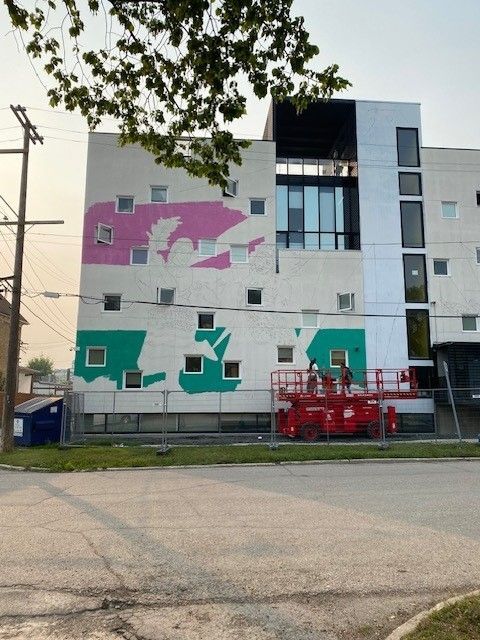
Dance Your Way is a five-story mural by newcomer artist Bîstyek and Indigenous artist Jeannie White Bird, commissioned by Welcome Place to celebrate its 80th anniversary. The artwork honours eight decades of supporting refugees and newcomers, rooted in the ancestral lands of Treaty 1 Territory.
At its heart, two figures — an Indigenous jingle dress dancer and a Kurdish newcomer — dance together, symbolizing reconciliation, resilience, and shared healing. The exchange of sweetgrass and an olive branch reflects kindness and peace, bridging the experiences of Indigenous and newcomer communities.
Surrounding them are sacred symbols of strength and renewal:
- Thunderbird, protector and watcher over all
- Turtle, spirit of Turtle Island and healing waters
- Four Direction Star, honouring life’s cycles and humanity’s unity
- Grandmother Moon, guiding from above
- Flowing wires, representing movement and empowerment
The word “Welcome” appears in over a dozen languages spoken by newcomer families — celebrating language, identity, and belonging.
With its vibrant colours and powerful imagery, Dance Your Way stands as both a celebration of community and a living act of reconciliation, weaving together stories of displacement, strength, and hope for a more connected future.
